The recent Eastern European Gaming Summit (EEGS) in Sofia brought together industry leaders, regulators, and innovators to discuss regulatory trends, digital transformation, and cross-border cooperation across Eastern Europe.
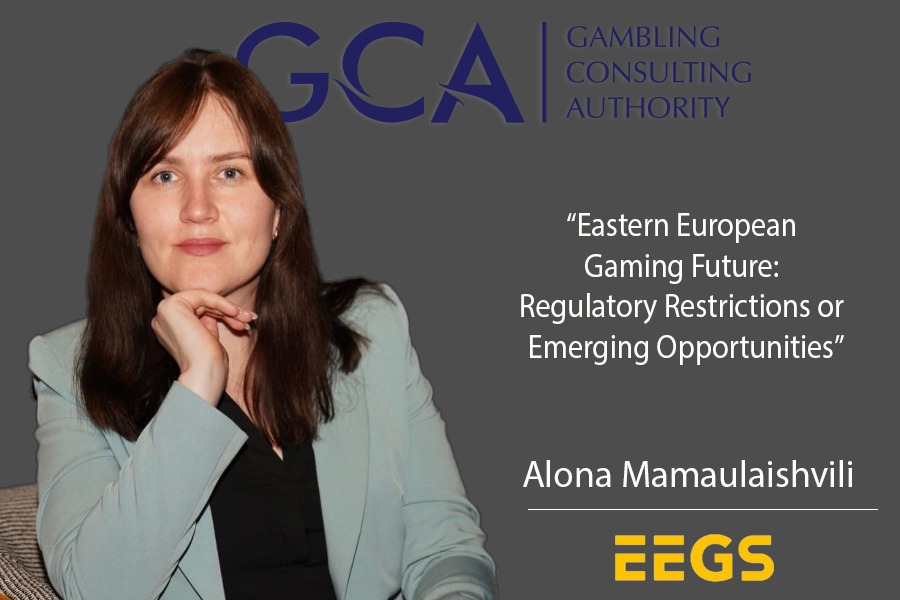
During the conference, Alona Mamulaishvili shared her insights on the current state of the region’s iGaming markets, the persistent challenges, and the opportunities for key market players. She also outlined both the risks and potential rewards for operators navigating the complex and rapidly changing regulatory landscape. The following excerpts present her comments on the issues under discussion.
Could you outline the current state of iGaming market in the Eastern European region?
— Eastern Europe has always been a high-risk region for the gambling industry. Regulation changes constantly: new rules are introduced or existing ones revised, and when one country lifts restrictions, another imposes new ones. In recent years, almost all countries in the region have made their rules stricter — higher taxes, stricter licensing, age and advertising restrictions.
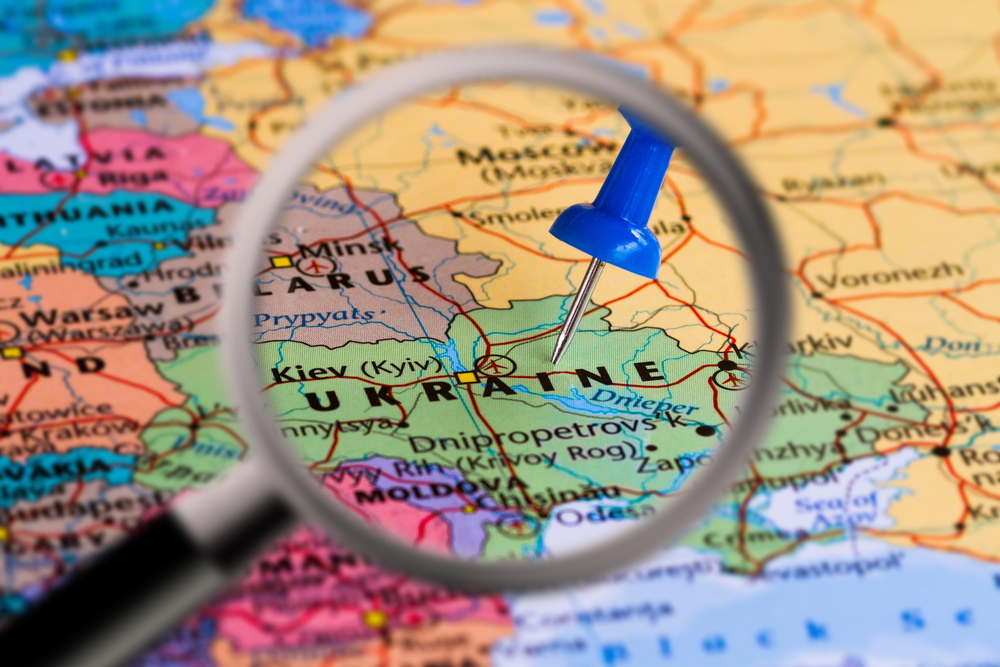
In Ukraine, after legalization in 2020, the Gambling and Lotteries Regulation Commission (KRAIL) was created. But slow licensing procedures and high taxes pushed part of the market back to the grey zone. Today, Ukraine is discussing a shift toward a GGR-based model, trying to renew legal interest.
Poland chose a state monopoly for online casinos — this led to lower transparency and a significant flow of players to illegal websites. The Czech Republic, on the other hand, adopted a model with fair taxation and an open licensing system, which doubled tax revenues within five years. In Serbia and Slovakia, gambling companies can operate only under strict government control and with servers located inside the country.
Despite all efforts, the illegal market still dominates in Eastern Europe — it is a universal problem. In Slovakia, after part of advertising was banned, the grey market grew by 35%. In Ukraine, it doubled after taxes were raised. And in Poland, around 60% of players still use offshore platforms. The rapid growth of online gambling and digitalization only increases this imbalance.
These trends cause major losses to state budgets. Regulation of the legal sector is getting stricter, but instead of reducing the grey market, it often expands it. Illegal operators benefit from strong marketing advantages — fast registration, aggressive bonuses, and anonymity — making them highly attractive to players.
Despite these problems and the constant changeability, many experienced operators have managed to succeed, and based on statistics the market continues to demonstrate stable growth in general, and in the online gambling segment particularly.
Do you think regional cooperation could reduce fragmentation and increase predictability for operators and consumers?
— Yes, regional cooperation can help. Today many Eastern European countries create rules in different and chaotic ways. This brings uncertainty for operators and for players. It would be great if regulators could agree at least on basic standards — licensing, monitoring, advertising rules, AML. Furthermore, If regular working groups between regulators were created, all upcoming changes could be discussed in advance. All this would reduce fragmentation and make the market more predictable. Predictability reduces risk and supports investment.
Cooperation works only when regulators are ready to share experience and recognize common risks — illegal websites, payment controls, and player protection. Full harmonization is unlikely because every country has its own goals. But step-by-step cooperation — sharing data, best practices, and aligning key requirements — can already bring more clarity and stability for operators and players.
Looking toward 2026 and beyond, where do you expect the most significant shifts, and what opportunities might they create?
— When we look at the key regulatory trends today — and those shaping the near future — we see several clear directions: strict control of advertising and marketing, stronger AML/KYC and financial supervision, responsible gaming requirements such as national self-exclusion registers, protection of vulnerable players, addiction-prevention strategies, and broader government digital supervision.
We are witnessing a technological transformation. Regulators increasingly demand real-time monitoring systems, integrated self-exclusion mechanisms, and digital registries. This raises entry barriers but creates competitive advantages for companies willing to invest in advanced technology — in compliance, responsible gambling tools, and enhanced KYC solutions.
Another major shift is social responsibility. It’s no longer only about regulating the industry but also about investing in prevention. Romania’s new social fund is a good example — a clear signal that regulators want to help and support, not just control and impose fines.
Looking ahead, the European gambling market is expected to continue its stable growth — especially thanks to the rapid adoption of digital technologies, assuming that economic and regulatory conditions remain relatively stable.
What regulatory advice would you offer operators considering expansion into Eastern Europe?
— The future will favour those who can rapidly implement strong responsible-gaming tools — panic buttons, self-exclusion systems, real-time monitoring — and those who can quickly adapt their IT infrastructure to ensure full transparency. Companies that manage this will gain a powerful competitive advantage and succeed as “clean,” socially responsible operators.
With advertising restrictions across the region, operators must focus on building loyalty through service — investing in product quality, user experience, and customer care rather than relying on aggressive marketing.
Partnership with the state is essential. Governments should maintain ongoing dialogue with the industry — not treat it as only a revenue source or a threat. Regulators must work with operators, provide realistic adaptation deadlines, and support the industry through joint initiatives. Cooperation brings far more value than pressure.
There are strong opportunities for technology providers and B2B companies. Demand is growing for compliance tools, monitoring systems, KYC/AML technologies, and real-time reporting solutions. This is a high-margin niche with long-term demand. Startups building digital regulatory infrastructure — compliance, transparency, anti-fraud — are also promising.
If you could introduce one policy change that would most improve the Eastern European gaming landscape, what would it be?
— I would simplify licensing procedures and eliminate high-priced licensing fees, making it easier for legal operators to enter the market without compromising player safety. I would also prohibit further increases in the tax burden on operators.
I would also consider creating a harmonized regulatory framework across Eastern Europe — at least within the EU — setting clear and consistent rules for operators and protecting players from unlicensed platforms. Such a framework could include a shared regulatory database and harmonized taxation to prevent cross-border leakage of players and funds.
In my view, this would support sustainable growth and create benefits for both operators and regulators.
#iGaming #EasternEurope #GamblingRegulation #ResponsibleGaming #GamingIndustry #RegTech

Welcome to Gambling Consulting Authority (GCA) - Your Strategic Partner in Gambling Industry Advancement