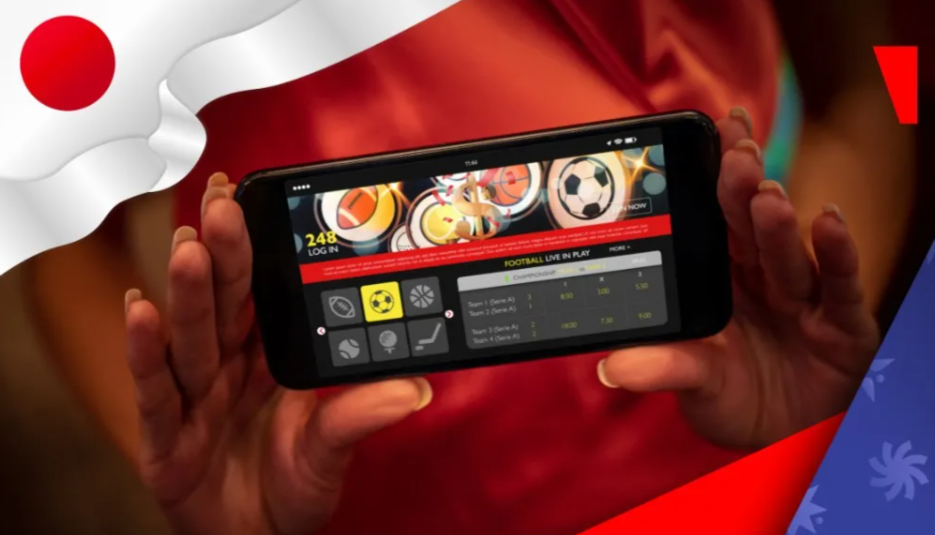
Japanese lawmakers have moved to firmly shut the door on the legalisation of sports betting, with lawmakers across party lines warning that such a step could threaten the integrity of sport and expose athletes to criminal influence.
A suprapartisan group of parliament members (diet) focused on sports promotion has unanimously agreed to oppose any move to legalise sports betting. Former Prime Minister Taro Aso, a senior figure within the ruling Liberal Democratic Party, chairs the group.
As reported by Asia News Network, the decision was confirmed at a directors’ meeting held this week at the Diet Building, where members agreed not only to block legalisation efforts but also to step up action against match-fixing and other forms of sports-related fraud. A special task team has been established for this purpose, chaired by former Justice Minister Takashi Yamashita, with lawmakers planning to debate possible legislative responses in the coming months.
Under Japan’s Penal Code, gambling is allowed for only a handful of publicly operated activities: horse racing, bicycle racing, boat racing, and motorcycle racing. These are all managed by either central or local government bodies and have historically contributed to the country’s postwar recovery efforts, with portions of the revenue funneled into social welfare programmes.
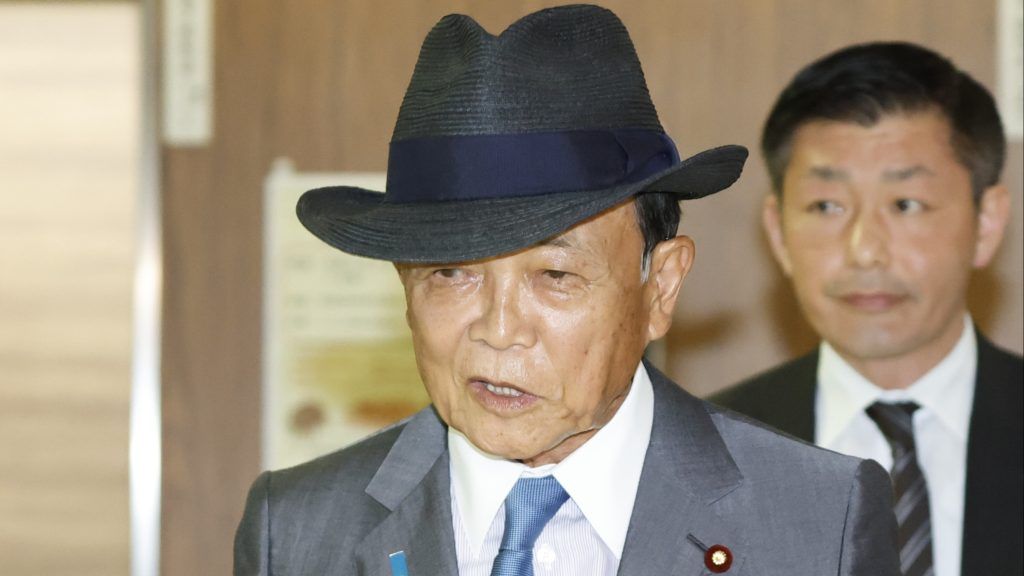
Former Japanese PM Taro Aso (Source: japan.kantei.go.jp)
Betting through overseas websites, however, remains firmly illegal. That hasn’t stopped numerous foreign platforms from operating in Japan and deliberately targeting local users. These sites let people place bets on international competitions alongside domestic events like J.League football. According to the Council for Sports Ecosystem Promotion, Japanese users placed at least ¥6.5 trillion (€35 billion) in wagers on offshore betting sites throughout 2024.
Lawmakers and sports officials say the rapid growth of illegal online betting has intensified the risk of match-fixing, bribery, and organised crime involvement. Japan’s sensitivity to the issue is shaped by history: in 1969, a major scandal saw several professional baseball players permanently expelled for fixing matches linked to gang-related gambling schemes.
While Japanese sports organisations have long enforced strict rules to prevent athletes from gambling, the rise of social media has made players easier to approach.
Sport bodies have warned that illegal betting poses a direct threat to public trust. “Illegal gambling on sports, which is spreading beyond national borders, is a serious risk,” one senior official said, adding that the credibility of competition itself could be undermined.
At the government level, there is no indication of a shift towards legalisation. Lawmakers, including ruling party members, have repeatedly stated that there are no plans to relax the existing ban, including on esports betting. Instead, the Cabinet has approved a broader strategy aimed at tackling illegal online gambling and addiction. Measures include cracking down on promoters and affiliates, improving public awareness, and discouraging access to overseas platforms.
Authorities are also discussing technical options, such as blocking access to illegal online casino sites, while Parliament has already passed stricter laws targeting online gambling advertisements and promotions.
Rather than opening a regulated betting market, policymakers say the priority is enforcement, fraud prevention, and international cooperation. Though the country has no issues with land-based venues, lawmakers are examining global frameworks such as the Council of Europe’s Macolin Convention as a reference for iGaming, as Japan seeks to protect athletes, officials, and the integrity of sport from growing cross-border gambling risks.
#Japan #SportsBetting #GamblingRegulation #SportsIntegrity #AsiaPolicy

Welcome to Gambling Consulting Authority (GCA) - Your Strategic Partner in Gambling Industry Advancement