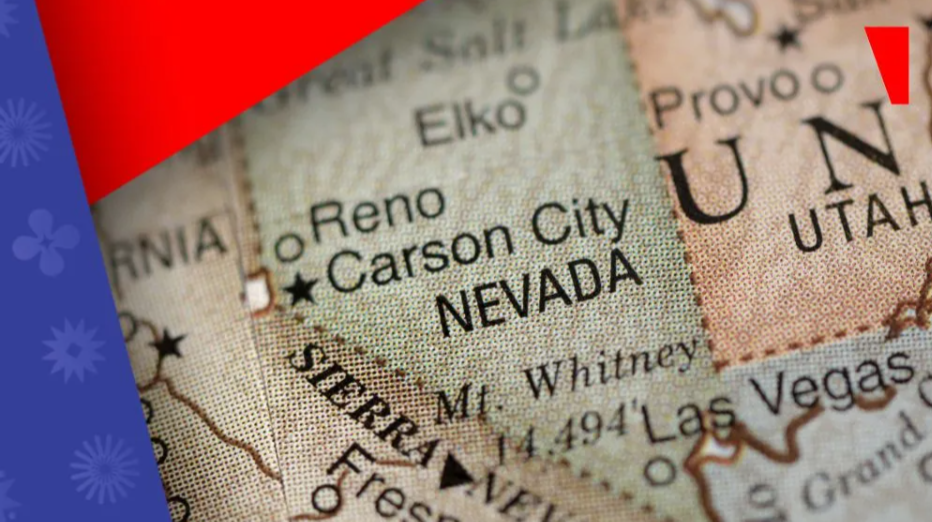
Nevada lawmakers and casino operators are intensifying efforts to reverse a federal tax change that reduces the amount of gambling losses players can deduct from their winnings, according to a report by The Nevada Independent. The measure, passed as part of the One Big Beautiful Bill Act signed in July, limits deductions to 90 percent from 2026, ending a long-standing rule that allowed losses to be fully offset against winnings.
Under the revised framework, gamblers who break even over a year could still face a tax bill on income they never actually earned. The change has triggered concern across Nevada’s gaming ecosystem, from professional poker players to casual sports bettors. It has prompted a rare show of bipartisan cooperation from the state’s congressional delegation.
House Democratic lawmakers from Nevada have advanced the FAIR BET bill. The bill seeks to restore the 100 percent deduction for gambling losses. A parallel effort is underway in the Senate through the bipartisan FULL HOUSE bill, introduced by Nevada’s two Democratic senators. The two proposed bills aim to undo the tax change before it begins to affect 2026 winnings and losses.
Nevada’s sole Republican member of Congress has indicated support for reversing the change and has used his position on an appropriations subcommittee to push for a fix to be included in upcoming budget legislation. Discussions with senior figures on the House Ways and Means Committee and with gaming executives in Las Vegas have reinforced expectations that the issue could be addressed through the appropriations process.
According to the report, despite broad agreement that the policy should be reversed, there is no confirmed timeline. Industry leaders believe a correction could be passed early in 2026, but acknowledge that legislative mechanics remain complex. The deduction cap takes effect on 1 January and applies to a gambler’s full 2026 tax year, meaning uncertainty will persist even if Congress later amends the law.
Executives from casino groups based in downtown Las Vegas and on the Strip report that customers are already factoring the change into future travel and wagering plans. Large-scale events such as the Super Bowl and the NCAA March Madness tournament are seen as particularly exposed, as bettors often plan participation well in advance.
Concerns extend beyond high-stakes poker and sports betting. Slot machine players may also adjust their behaviour, especially those accustomed to offsetting wins and losses over long sessions. There is also anxiety that players in northern US states could divert spending to Canadian casinos or offshore platforms to avoid the tax impact.
The debate unfolds against a backdrop of regulatory focus on market resilience in Nevada. In an interview with SiGMA News this December, Nevada Gaming Control Board Chairman and Executive Director Mike Dreitzer outlined priorities centred on aligning regulation with market realities, supporting innovation, and maintaining open dialogue with industry stakeholders.
The NGCB Chairman highlighted ongoing monthly volatility in gaming revenue while pointing to modest year-to-date growth across the state and the Strip. Dreitzer stressed that swings in table game performance, particularly baccarat, and shifts in slot machine preferences reflect player behaviour rather than structural weakness. Growth in mobile sports betting has further increased pressure on regulators to approve technology at the pace of business while maintaining oversight.
Within this environment, industry leaders argue that introducing tax friction on gambling activity runs counter to efforts to sustain competitiveness and innovation.
#USGambling #GamingTax #NevadaGaming #GamblingRegulation #SportsBetting

Welcome to Gambling Consulting Authority (GCA) - Your Strategic Partner in Gambling Industry Advancement