Africa is Gambling: A Continent on the Brink of a Gambling Revolution
Key findings
• The African gambling industry combines vast economic potential with numerous unresolved challenges: rapid growth of mobile betting, widespread internet availability and growing interest from international investors have shaped a promising yet still chaotic market, where legislation often lags behind technological advancement.
• Mobile sports betting, especially football, is a key growth driver; the online segment makes up around 40% of the market and is growing faster than land-based gambling.
• In 2024, South Africa had the highest GGR at $3,370 million, followed by Nigeria at $895.7 million and Ghana at $57.4 million; the illegal sector ranges from 30% to 65% of the market in the countries reviewed, and projected CAGR to 2030 ranges from 5% to 10%, with Kenya the highest.
• In several countries 60–70% of the market remains in the shadows, and the estimated annual budget loss across African countries is $1.5–2.5 billion. The key reasons are the lack of online regulation, technical weaknesses of regulators, a shortage of iGaming experts in regulatory bodies and uncontrolled operations of offshore platforms.
• Major transformations underway include the popularity of mobile platforms and apps, the transition to digital wallets and cryptocurrencies, growing demand for regulated and secure platforms and the integration of APIs and KYC technologies.
• Moving from fragmented, reactive approaches to coordinated and consistent regulation could bring more than $2 billion in annual tax revenue to the continent.
Main Analysis
Market Overview
The African continent is on the brink of a gambling revolution. The gambling industry here combines vast economic potential with numerous unresolved challenges. The rapid growth of mobile betting, the widespread availability of the internet and growing interest from international investors have shaped a promising yet still chaotic market, where legislation often lags behind technological advancement.
Once referred to as a "sleeping economy", Africa is waking up fast — at least in the world of gambling. Mobile phones have replaced traditional bookmaker offices, the internet has outpaced legislation, and a love for football has overcome bureaucratic hurdles.
All this is turning Africa into a new arena for the gambling industry. One of the key growth drivers is mobile sports betting — especially football. Popular European leagues such as the English Premier League and the Champions League attract millions of users placing bets through smartphones.
The online segment now makes up around 40% of the market and is growing faster than land-based gambling.
Country-by-Country Overview, 2024
The numbers show both Africa's potential and its challenges — how much budget is lost annually, and how infrastructure could be developed by improving tax collection. The following country-by-country overview for 2024 sets out Gross Gaming Revenue (GGR) where available, the current regulatory status, the estimated size of the illegal sector and the projected compound annual growth rate (CAGR) to 2030:
Country | Regulatory status | GGR, 2024 | Illegal sector | Projected CAGR to 2030 |
South Africa | Offline regulated; partial regulation for online gambling | $3,370 million (highest) | 30% | 6% |
Nigeria | Partially legalised | $895.7 million | 65% | 9% |
Kenya | Legalised; regulatory environment considered unstable | Not available | 60% (estimated) | 10% (highest) |
Ghana | Partial legalisation | $57.4 million | Around 55% | 8% |
Uganda | Mandatory registration for gambling operators | Not available | About 50% (unregulated) | 7% |
Morocco | Limited to casinos for tourists | Not available | 40% | 5% |
Egypt | Restricted to tourist casinos | Not stated | 40% unregulated | 5% |
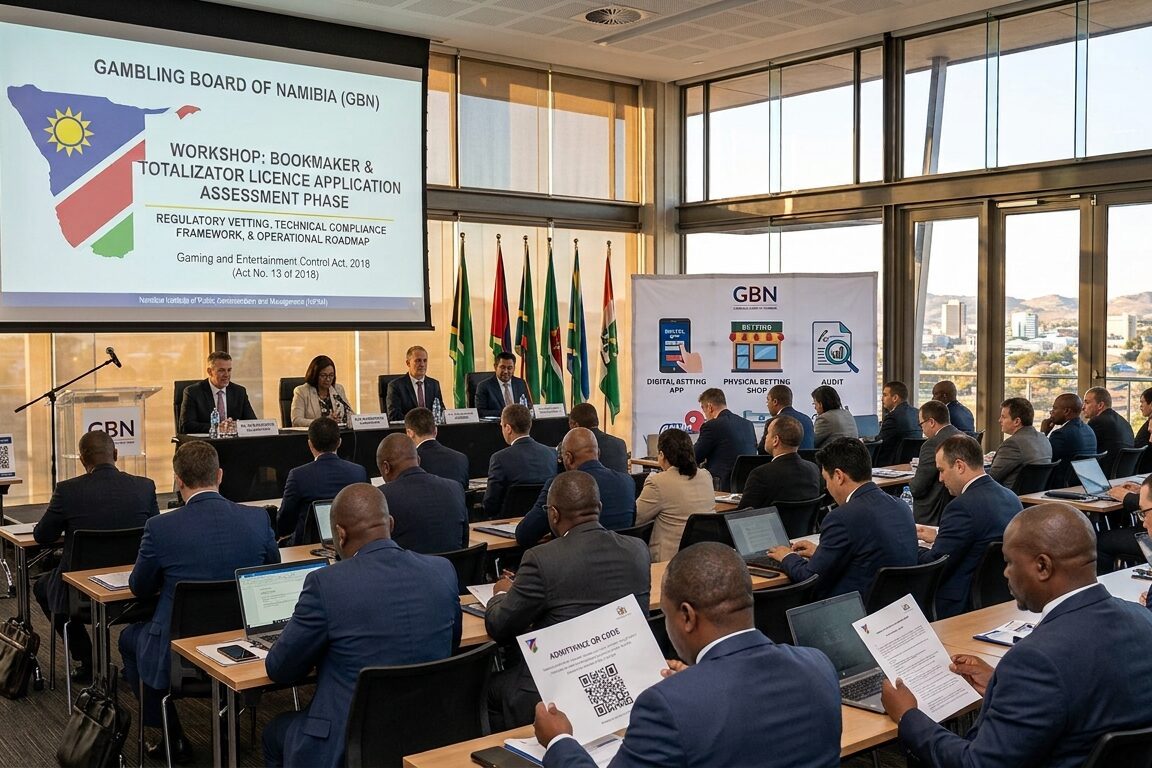
Namibia | Partial legalisation | Not available | 60% (estimated) | 6% |
Mozambique | State lottery and licensing model | Not reported | Approximately 50% | 6% |
Botswana | Fully regulated | Not available | 45% | 7% |
Tanzania | Fully regulated | Not available | 35% | 8% |
The Shadow Market and Financial Losses
The figures show that, despite the potential, 60–70% of the market remains in the shadows in several countries. This is a major issue at the early stages of development. Countries are losing significant tax revenues, crime is increasing, and serious challenges are created for investors.
The key reasons include:
• Lack of online regulation;
• Technical weaknesses of regulators;
• Shortage of iGaming experts in regulatory bodies;
• Uncontrolled operations of offshore platforms.
All of this has led to an estimated annual budget loss of $1.5–2.5 billion across African countries — money that could have been invested in healthcare, education and infrastructure. Unless African governments change their perspectives and radically reform their approach to business regulation, these issues will become increasingly difficult to resolve. While some countries have partially addressed these challenges, most still face complete regulatory disarray.
Modern Trends
Africa's gambling industry is rapidly adapting to technological advancements. Mobile apps and platforms are taking the lead in user engagement, while payments are gradually shifting to digital wallets and cryptocurrencies. The demand for a regulated and secure ecosystem is rising, driving the popularity of KYC mechanisms and API integration. These trends show that technology is becoming a supportive partner in regulation, promoting transparency and player protection.
Major transformations currently underway on the continent include:
• The massive popularity of mobile platforms and apps;
• The transition to digital wallets and cryptocurrencies;
• Growing demand for regulated, secure platforms;
• Integration of APIs and KYC technologies for player identification and transaction monitoring.
Recommendations
Steps That Could Transform Africa into a Global Gambling Capital
• Standardisation of licensing and operator regulations. New international-standard frameworks would improve regulatory consistency, simplify cross-border operations for operators and increase market transparency.
• Technical infrastructure and databases for regulators. Many regulators lack the necessary technological infrastructure to monitor the market. Building digital infrastructure will enhance control and reduce illegal activity.
• Support for local operators as an alternative to offshores. Offshore companies siphon significant financial value out of countries. Encouraging local operators can strengthen economies and create a more regulated, consumer-focused environment.
• Cross-border data exchange for effective oversight. Sharing information between regulators is essential to identifying illegal operators. Coordination will enable a stronger, safer gaming ecosystem across the region.
Africa's gambling market is growing fast, combining immense economic potential with critical challenges. Although inadequate regulation and weak oversight mechanisms remain problems, the sector is steadily advancing. Moving from fragmented, reactive approaches to coordinated and consistent regulation could bring more than $2 billion in annual tax revenue to the continent. Beyond financial gain, the true opportunity lies in Africa's ability to create a transparent, secure and inclusive gaming ecosystem, in which all stakeholders — players, businesses and governments — can benefit.
GCA provides regulatory analysis, market-entry strategy and expert assessments for governments, regulators and operators. Contact: gcauthority.com
Related markets
Related expertise