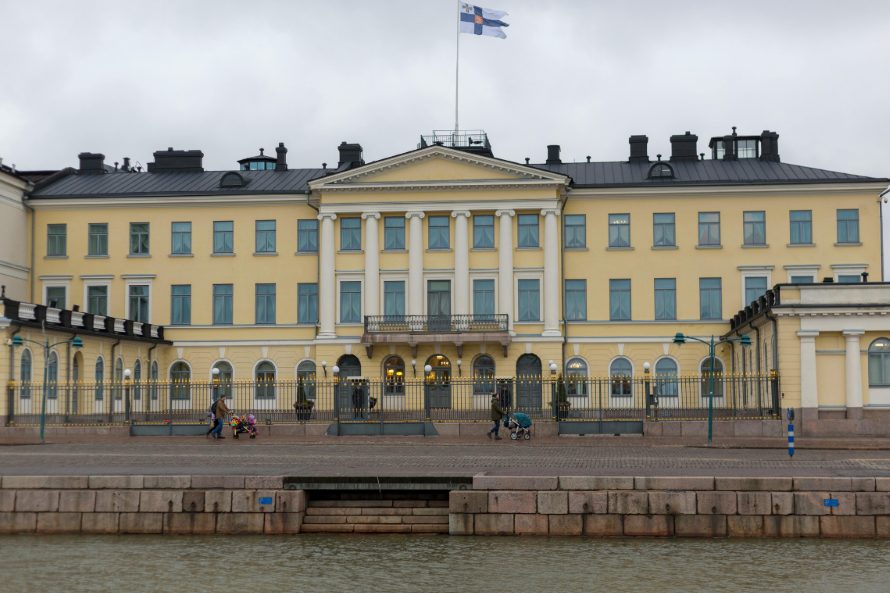
Finland Submits Standardized Operator Data Rules to Brussels Ahead of 2027 Market Opening
Finland has submitted its final set of technical requirements to the European Commission, obliging future gambling licensees to submit account transaction records in a standardized format. Submitted on November 2, the draft regulation enters an EU standstill period running until February 3, 2027, ahead of its scheduled implementation on July 1, 2027 coinciding with the dismantling of Veikkaus’s online monopoly and the launch of Finland's competitive betting and online casino market.
Linked to operator obligations under Section 45(2) of the Gambling Act, the regulation defines the mandatory structure, data fields, and generation deadlines for player account records, which will be transmitted via a specialized centralized data repository. Following industry consultation, authorities revised the draft to reduce administrative friction, notably dropping a requirement for operators to use player identifiers assigned directly by the supervisory authority. While Veikkaus will retain exclusive rights over lotteries and land-based casinos, private entrants must align their account management systems with these unified reporting protocols before going live.
Regulatory clarity for incoming market participants was further bolstered by a recent Supreme Administrative Court of Finland ruling regarding the taxation of gambling winnings from outside the European Economic Area (EEA). As highlighted by Hippos ATG Chief Compliance Officer Antti Koivula, the court confirmed that large-scale, systematic sports betting qualifies as an income-generating activity, allowing professional bettors to deduct losing stakes and pay progressive income tax on net profits rather than gross wins. Conversely, while chance-based online slots were not classified as income-generating activities, the court eased player tax burdens by permitting slot winnings and losses to be calculated per gambling session rather than per individual spin, while affirming that winnings from unlicensed platforms targeting Finland remain taxable.
Related markets