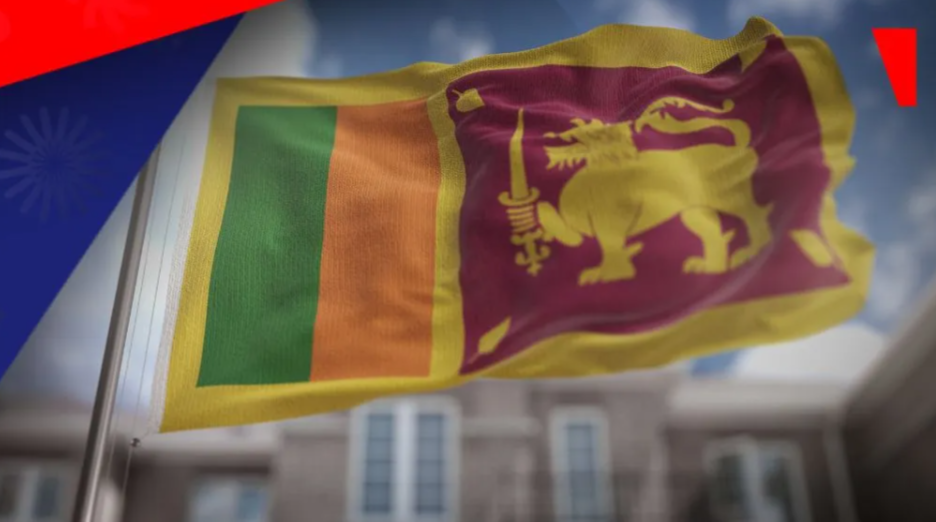
Sri Lanka is preparing to enforce the Gambling Regulatory Authority Act, No. 17 of 2025, on 1 December after President Anura Kumara Dissanayake issued the relevant gazette on 16 November. The timing comes just weeks ahead of SiGMA South Asia 2025, which will be held in Colombo from 30 November to 2 December and is expected to highlight Sri Lanka’s growing place in the region’s digital and gaming economy.
The Gambling Regulatory Authority Bill was passed in Parliament on 19 August 2025 and later certified by Speaker Dr. Jagath Wickramaratne on 3 September 2025, completing its passage into law as Act No. 17 of 2025.
Under the gazetted order, President Dissanayake declared that the provisions of the Act “shall come into operation” on 1 December 2025.
The Act aims to consolidate and modernise Sri Lanka’s gambling laws by repealing three existing pieces of legislation:
Its purpose is to establish the Gambling Regulatory Authority (GRA) as a single body to regulate all gambling operations in the country.
According to the Act, the GRA will function as an independent regulator with wide responsibilities, including issuing legally enforceable social responsibility codes for online and offshore gaming, gaming on board ships, and operations within the Port City of Colombo.
Deputy Minister of Economic Development Dr. Anil Jayantha Fernando, providing clarification on the legislation in September, said the government’s aim is regulation, not expansion of the sector.
“This does not mean that the Authority will issue additional licenses for casinos or gambling establishments. The focus is on regulation. That regulation will define which gambling activities are permitted, the restrictions that apply, and matters such as the revocation or cancellation of licenses,” he stated.
He further explained that the Authority will assess the potential negative impacts of gambling and apply suitable restrictions. “In simple terms, what this Act seeks to achieve is the regulation of gambling and all related activities under one law and through one independent authority,” Dr. Fernando added.
He also noted that gambling in Sri Lanka carries “significant social and cultural implications”, which the GRA will consider alongside economic factors.
The GRA will determine permitted gambling activities, set operational restrictions, issue and revoke licences, monitor compliance, and manage revenue collection. It will also enforce social responsibility rules and strengthen financial oversight.
Dr. Fernando told Parliament that the regulator will play a key role in curbing financial risks. “The regulator will ensure that casinos operate according to rules and concerns about money laundering is also addressed,” he said.
Existing casinos including Bally’s, Bellagio, Casino Marina and Stardust, all operating under provisional registrations since 2013 will now fall under the GRA’s oversight.
The Authority’s board will include senior state officials such as:
Additionally, the Finance Minister will appoint three members for three-year terms.
These regulatory moves are accompanied by new tax measures introduced on 1 October 2025. Under the amended Betting and Gambling Levy, the tax on gross collections for gaming operators has increased from 15 percent to 18 percent. The casino entry fee for Sri Lankan citizens has also been doubled from US$50 to US$100, as the government looks to raise more revenue from the gambling and entertainment sectors.
Valued at US$293.93 million in 2020, Sri Lanka’s gambling sector is projected to reach US$410.04 million by 2026, even as regional competition grows from markets such as the UAE and Thailand.
The sector has drawn increased global attention following the opening of City of Dreams Sri Lanka (CODSL) on 2 August 2025, the country’s first international integrated resort developed by John Keells Holdings (JKH) and Melco Resorts & Entertainment. JKH recently reported that City of Dreams Sri Lanka came close to breaking even on EBITDA for the quarter ending 30 September 2025, supported by higher hotel occupancy, steady casino visitor numbers and strong revenue from events.
The introduction of the Gambling Regulatory Authority marks a major policy shift after years of fragmented oversight. First gazetted in May 2025 under President Dissanayake in his capacity as Minister of Finance, Planning and Economic Development, the Bill also received the endorsement of the Committee on Public Finance, which separately approved foreign exchange regulations linked to the sector.
Lawmakers also used the parliamentary debate to call for tighter controls on online gambling, warning of rising risks associated with digital platforms. As the Act comes into effect on 1 December, Sri Lanka is laying the groundwork for a unified and accountable gambling framework at a time when it prepares to welcome global operators, investors and regulators to SiGMA South Asia 2025, a summit expected to spotlight the country’s growing role in South Asia’s gaming and digital economy.
The summit arrives as the country positions itself as “India’s Macau?”—a growing destination driven by new integrated resorts, improved responsible tourism offerings, and efforts to compete with hubs such as Singapore, Macau and Manila. SiGMA’s inaugural South Asia show in Colombo will bring together operators, affiliates, suppliers and technology innovators, marking a pivotal moment for an industry now entering a regulated era.
#SriLanka #GamblingRegulation #GRA #PolicyReform #SiGMASouthAsia #GamingIndustry #Compliance #IntegratedResorts #SouthAsiaMarkets

Welcome to Gambling Consulting Authority (GCA) - Your Strategic Partner in Gambling Industry Advancement