Key points
The Sports Betting Alliance has filed a lawsuit against the City of Chicago after officials passed a new budget plan that would impose a 10.25% tax on adjusted gross receipts (AGR) for bets placed within city limits.
"The State-not the City-has sole authority to license and tax online sports wagering in the State of Illinois. The Illinois Constitution reserves authority over licensing for revenue and income-based taxation to the State unless expressly delegated," the Alliance claims.
"The Illinois General Assembly has never authorized the City to impose licensing fees or income-based taxes on online sports wagering."
According to the Sports Betting Alliance, city officials have no authorization to introduce its own sports betting tax on top of the 20-40% tax already paid by operators conducting business within Illinois.
Illinois lawmakers also put forth new legislation which enforced a $0.25 per wager fee on the first 20 million bets taken by an operator, increasing to $0.50 thereafter. In addition to the per wager tax, the 2026 budget plan includes annual city licensing fees between $20,000 and $50,000 for sports betting operators.
On December 19, the Alliance issued a letter to Chicago Mayor Brandon Johnson concerning the possibility of a joint exit from Illinois on January 1, 2026.
Operators shared concern over the lack of clarity regarding new city license requirements mentioned in the legislation, given there is no such terminology in the sports betting prerequisites listed within Johnson's budget proposal.
The lawsuit goes on to claim: "Because those alternatives are untaxed, forcing SBA members to 'go dark' would deprive Illinois, and, derivatively, Chicago, of significant revenues under existing state tax laws from online sports wagering that has been legal in Illinois and in Chicago since 2019."
The Alliance warned Johnson that if city officials are not given the proper time to issue new licenses, operators would be forced to either conduct business without such licensing starting on January 1, or shut down Chicago operations entirely.
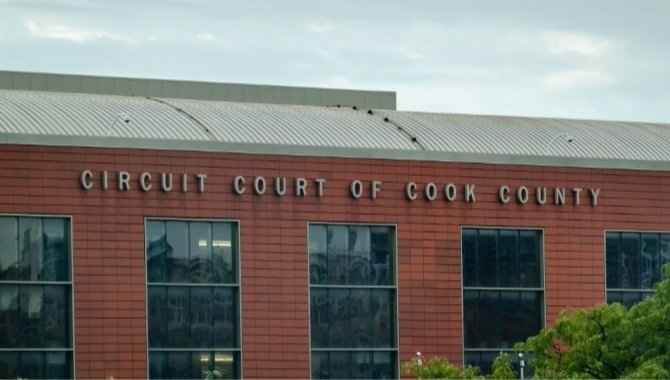
The lawsuit seeks a temporary restraining order against the City of Chicago, prohibiting officials from enforcing their new sports betting requirements, as well as a court order to declare the budget proposal unconstitutional.
#USGambling #SportsBetting #Chicago #GamingRegulation #LegalDispute

Welcome to Gambling Consulting Authority (GCA) - Your Strategic Partner in Gambling Industry Advancement