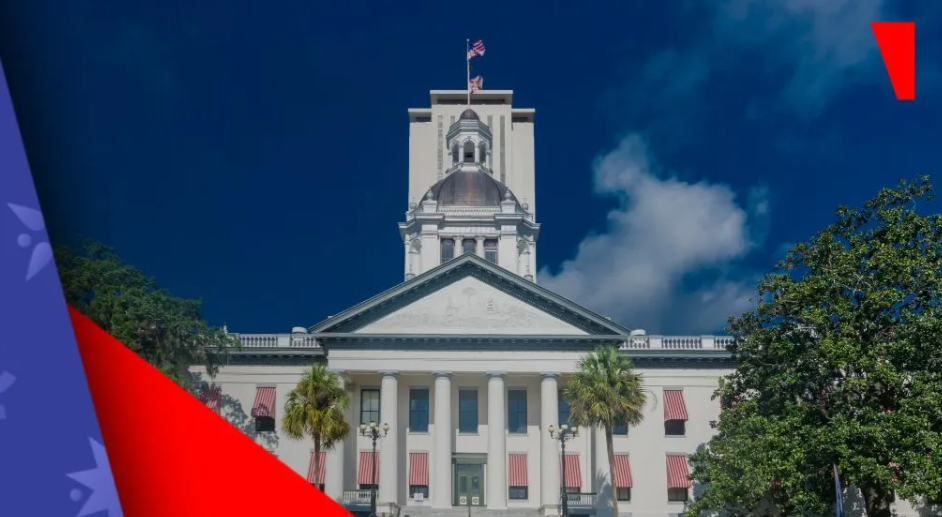
Florida lawmakers have advanced HB189, a bill aimed at curbing unregulated online gambling, including sweepstakes casinos and sports wagering platforms operating without state approval. The plan penalises both operators and players for participating in illegal internet gaming. In addition to reflecting growing concern over unregulated internet betting and its consequences on communities, the initiative has sparked debate over how far the state should go in restricting access to these platforms.
HB189, the gambling bill sponsored by Rep. Dana Trabulsy (R-Fort Pierce), has already cleared several hurdles in the state legislature. The House Commerce Committee approved the bill in an 18–5 vote with two abstentions, following earlier approvals by two subcommittees. This shows it has been moving steadily through the legislative process rather than appearing suddenly. The next step is a full vote in the House, after which it would go to the Senate. With a similar measure, SB1580, already advancing in the Senate, lawmakers appear set on tightening control over online gambling in the state.
HB189 defines “internet gambling” as any online game where money or something of value is awarded based on chance, specifically including casino‑style games such as slot machines, video poker, and table games. The bill makes clear that it applies to platforms accessible through the internet and mobile devices, reflecting how most gambling now takes place.
Under HB189, taking part in illegal internet gambling in Florida would be treated as a second‑degree misdemeanour for a first offence, carrying possible penalties of up to 60 days in jail and fines of up to $500. A repeat offence would be classified as a first‑degree misdemeanour, with penalties that could include up to one year in prison and fines of up to $1,000.
This bill further establishes that operators of illegal gambling or internet sports wagering platforms in Florida would face third‑degree felony charges. Under state law, this could mean up to five years in prison and fines of up to $5,000.
Miami, Florida, USA. (Source Canva)
Additionally, HB189 broadens Florida’s regulation of actual gambling establishments. Operators of illegal machine rooms may be charged with felonies under the bill, which also requires the Florida Gambling Control Commission to assess new gambling parlours more thoroughly. Enforcement has already been active: in the past year, officials seized nearly $15 million from illegal operations, more than double the amount from the year before, and confiscated 6,725 illegal slot machines. If HB189 becomes law, the Commission would gain broader authority to continue pursuing unlicensed gambling activities.
HB189 does not change the Seminole Tribe’s connection with the state, which grants them the sole right to gamble at casinos and wager on sports in Florida. Only illegal gambling is subject to the bill’s penalties; gaming carried out in accordance with established tribal compacts is not. This implies that the Seminole Tribe is still the only entity allowed to conduct casino and sports betting in Florida, and unlicensed competitors will be subject to punishment.
Daily fantasy sports (DFS) competitions are not included in HB189’s definition of online sports betting, but there are restrictions. The majority of operators currently exclusively offer peer‑to‑peer formats in order to comply with an earlier injunction from Florida that required businesses to cease offering against‑the‑house games, such as Pick ‘Em contests. Due to California’s decision last year that against‑the‑house DFS amounted to illegal gambling, which forced companies like PrizePicks to shut down those games, the issue has drawn attention outside of Florida. Compliance for DFS platforms in Florida entails adhering to peer‑to‑peer models and negotiating a regulatory landscape with increasingly fewer grey areas.
A unanimous 9-0 vote passed SB1580, a Florida anti-gambling measure, passed the Senate Regulated Industries Committee. Both SB1580 in the Senate and HB189 in the House are making progress, indicating that politicians in both Houses are working together to limit unregulated gaming throughout the state.
#GamingRegulation #OnlineGambling #Compliance #USGaming #SportsBetting #Sweepstakes #RegulatoryUpdate

Welcome to Gambling Consulting Authority (GCA) - Your Strategic Partner in Gambling Industry Advancement