Ministerial nominees from Péter Magyar’s incoming administration outlined plans to restructure public media, phase out sectoral taxes and review state spending tied to Hungary’s gambling and media sectors.
Key Points
Incoming ministers pledged reforms to Hungary’s public media system and creative industries
Finance minister nominee András Kármán said sectoral taxes, including advertising levies, would be gradually phased out
Szerencsejáték Zrt was criticised during parliamentary hearings over alleged use of revenues for “propaganda purposes”
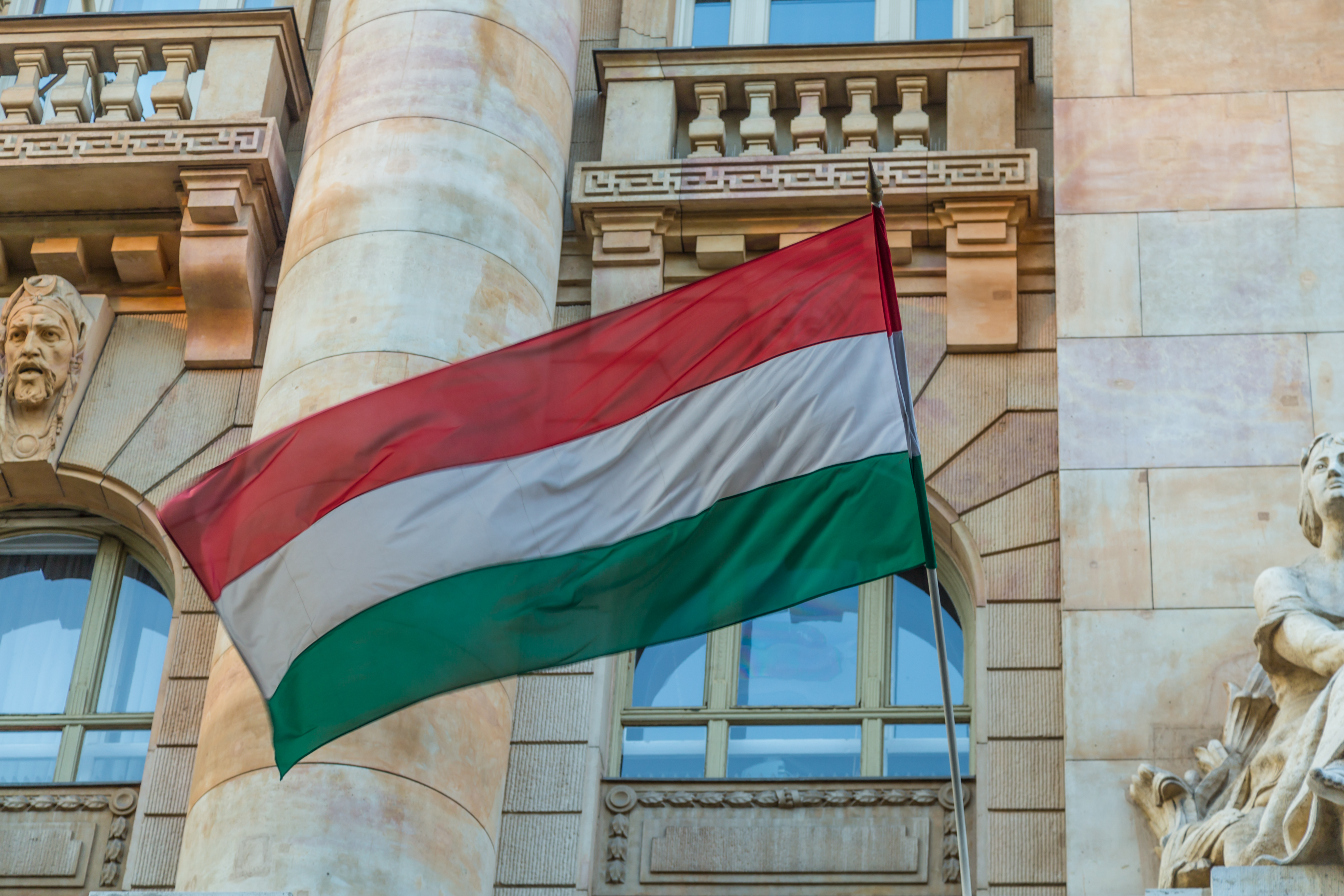
Hungary’s incoming Government has signalled significant changes for the country’s media and gambling sectors after ministerial nominees under Prime Minister-designate Péter Magyar outlined reform plans during parliamentary committee hearings ahead of Tuesday’s swearing-in ceremony.
Zoltán Tarr, nominated to oversee social relations and culture, said the incoming administration would restructure areas of the creative industry including public media, film, publishing and cultural funding mechanisms.
The proposed reforms follow years of criticism from domestic opposition groups and European Union institutions over media concentration and political influence in Hungary’s broadcasting sector under the outgoing Fidesz Government.
Public service broadcaster MTVA and several state-aligned media groups have faced repeated accusations from watchdog organisations regarding editorial independence and market distortion through state advertising allocations.
During his hearing, Tarr said public media credibility needed to be restored and pledged to review state funding structures including the National Cultural Fund (NKA).
He also criticised previous restrictions affecting Hungary’s book market, including policies surrounding book wrapping requirements and VAT levels.
The ministerial nominee further indicated that Hungary’s film and music industries could regain stronger access to European partnerships and funding networks if political barriers to cooperation were reduced.
Hungary remains one of Central Europe’s largest production hubs for international film studios, though cultural funding disputes with Brussels have intensified in recent years amid wider rule-of-law disagreements between Hungary and the European Commission.
Separately, finance minister nominee András Kármán announced plans to gradually phase out sectoral special taxes, including levies affecting the advertising and media industries.
The Hungarian Advertising Association this week reiterated calls for the permanent abolition of the country’s advertising tax after its current 0% rate was extended on a temporary basis.
Kármán also said the simplified kata taxation system would return. The scheme had previously been widely used by freelancers and small businesses across Hungary’s media sector before major restrictions were introduced in 2022.
The hearings also touched on state-owned gambling operator Szerencsejáték Zrt. Kármán accused the operator of directing revenues toward “propaganda purposes” instead of transferring profits to the state treasury, while promising more transparent financial oversight of state-owned enterprises.
The comments come amid heightened scrutiny of Hungary’s gambling sector following recent regulatory interventions and public debate surrounding lottery operations and casino ownership structures.
Earlier this month, Szerencsejáték Zrt launched an official investigation into the integrity of its lottery draw systems after four jackpot wins occurred within the same week, prompting public concern and regulatory scrutiny.
#Hungary #Regulation #Media #GamingIndustry #TaxPolicy #Compliance #Europe #PublicPolicy

Welcome to Gambling Consulting Authority (GCA) - Your Strategic Partner in Gambling Industry Advancement