HB 1885/SB 2136 bans any virtual-currency, dual-currency or multi-currency games which replicate other forms of gambling, such as lottery games, slot machines, table games and bingo.
Key Points
Tennessee now joins California, Connecticut, New Jersey, New York, Montana and Louisiana in outlawing sweepstakes casinos
The legislation was sent to Lee’s desk on May 11, following approval from the state Senate and House of Representatives
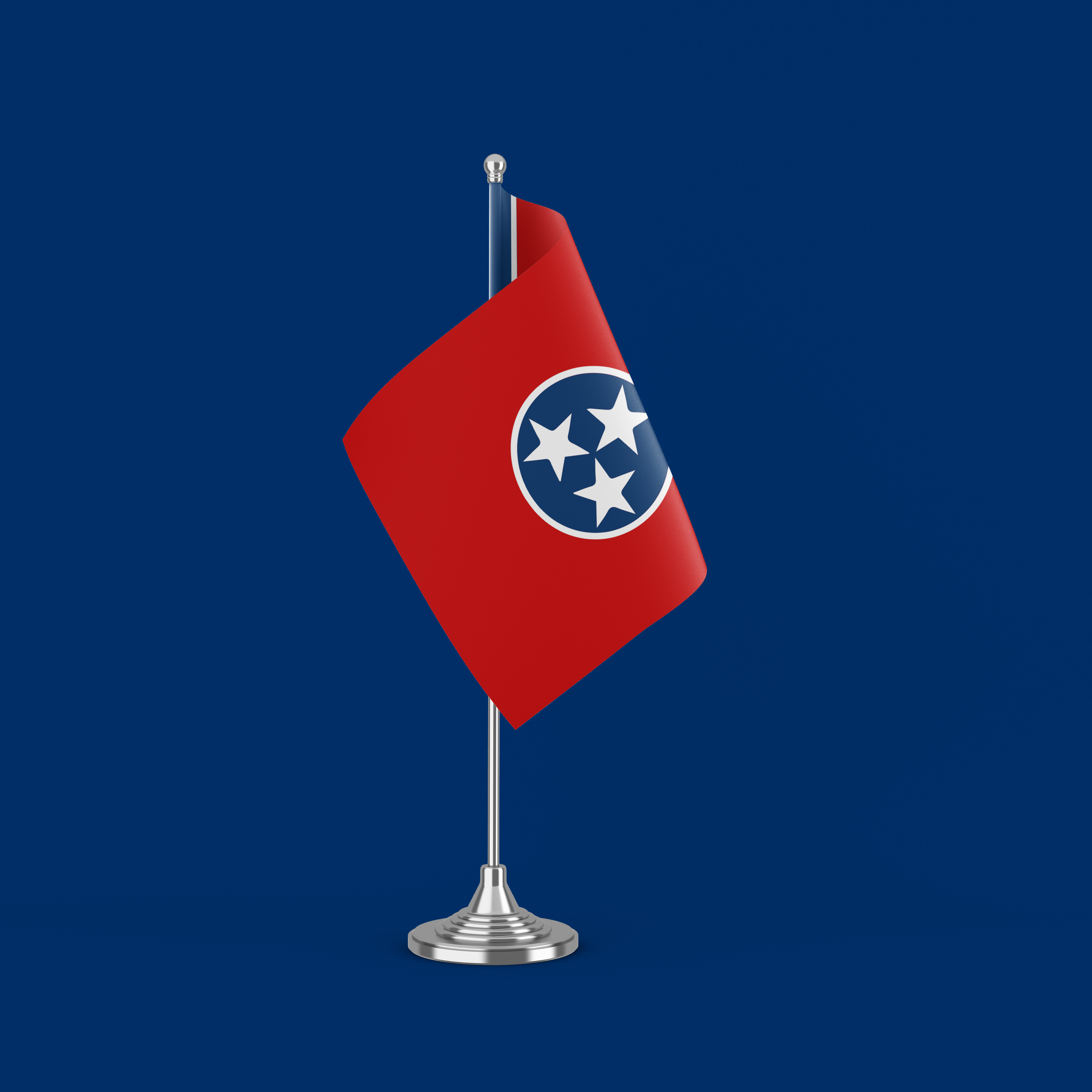
Tennessee Governor Bill Lee has signed House Bill 1885/Senate Bill 2136 into law, becoming the seventh US state to officially prohibit the operation of sweepstakes casinos. The state now joins California, Connecticut, New Jersey, New York, Montana and Louisiana in passing anti-sweepstakes legislation.
HB 1885/SB 2136 bans any virtual-currency, dual-currency or multi-currency games which replicate other forms of gambling, such as lottery games, slot machines, table games, unlicensed sports wagering, video poker and bingo.
The Tennessee House of Representatives originally advanced the legislation to Governor Lee’s desk on May 11 following a 69-17 majority vote, with state legislators claiming online sweepstakes casinos “serve as a façade” to hide real-money gaming operations.
Lee was given a 10-day period to either approve or veto HB 1885/SB 2136, or could have allowed the legislation to go into effect without his signature.
Given HB 1885/SB 2136 passed on the final day of legislative sessions, any rejection from Lee may have concluded all efforts to ban sweepstakes casinos for the remainder of 2026.
Tennessee’s legal success over sweepstakes operators has failed to translate to its battle with prediction markets, however, as a federal district judge granted Kalshi’s motion for a preliminary injunction on February 20, going against orders to cease its operations from state regulators.
Previously, the state of Tennessee ordered Kalshi to cease offering its sports events contracts via a cease-and-desist letter with which the prediction market operator did not comply.
Instead, Kalshi filed a countersuit via motion for a preliminary injunction against the order, arguing that its event contracts fall under the sole regulatory jurisdiction of the Commodity Futures Trading Commission at federal level.
#iGaming #Sweepstakes #GamingRegulation #Tennessee #SportsBetting #OnlineGaming #Compliance #USGaming #GamingIndustry #Regulation

Welcome to Gambling Consulting Authority (GCA) - Your Strategic Partner in Gambling Industry Advancement