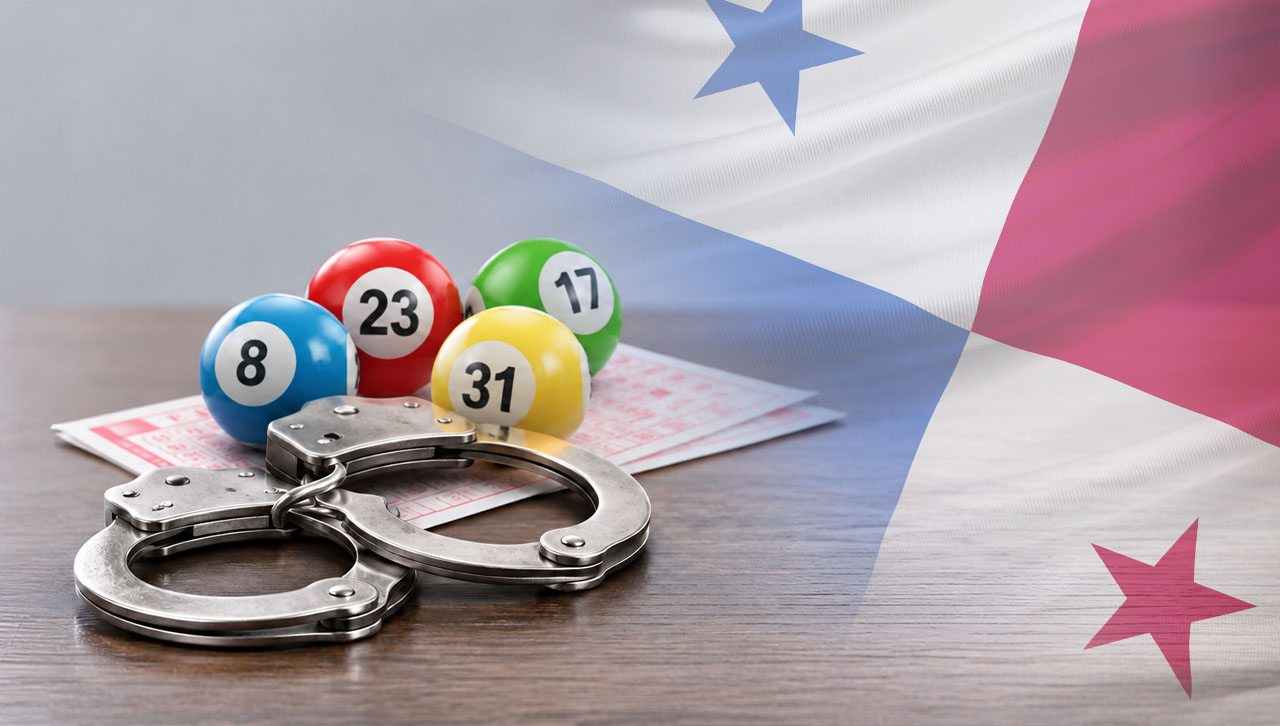
A proposal before Panama's National Assembly would introduce prison terms for clandestine lottery sellers and prison terms of up to eight years for repeat and large-scale offenders.
Key Points
A bill would shift enforcement from administrative fines to criminal prosecution by the Public Ministry, with sentences of three to six years for sales exceeding $5,000 in a 30-day period
Penalties rise to six to eight years when sales exceed $10,000, involve organized criminal groups, use minors or are linked to money laundering
Panamanian lawmakers are weighing a bill that would turn the sale of clandestine lottery tickets into a criminal offense rather than a matter for administrative penalties alone.
The measure, introduced by deputy Roberto Zúñiga, targets the sale, promotion and distribution of lottery tickets outside the official channels run by the Lotería Nacional de Beneficencia (LNB) known locally as "chances clandestinos."
Panama's constitution reserves games of chance for the state, particularly those tied to social welfare funding and managed by the LNB.
According to the bill's supporting documents, illegal sales of tickets, chances and foreign lotteries have grown steadily in recent years, operating without oversight and diverting revenue that would otherwise go to the LNB.
In 2025, Panamanians wagered $846.6m through official draws, generating a $95.8m transfer from the LNB to the national treasury. The agency estimates clandestine sales cost it close to $200m annually, funding that would otherwise support wheelchairs, prosthetics and public hospitals.
Zúñiga has also pointed to foreign lotteries, including Costa Rica's "La Tica," as contributing to the growth of the illegal market. He said: "Imagine how many oncology hospitals could be built nationwide."
Under the proposal, sellers moving more than $5,000 in illegal tickets within a 30-day period would face three to six years in prison. That range rises to six to eight years where sales exceed $10,000, where organized criminal groups are involved, where minors are used in the operation or where links to money laundering are identified. Smaller cases would draw fines of $500 to $5,000 instead of jail time.
The bill must still be debated by the National Assembly. Separately, the LNB has stepped up inspections to enforce official ticket pricing, with Director General Isidro Carbonell visiting vendors across the country in search of clandestine lottery sales.
#Panama #Lottery #GamingRegulation #IllegalGambling #Compliance #AML #PublicPolicy #GamingIndustry #LawEnforcement

Welcome to Gambling Consulting Authority (GCA) - Your Strategic Partner in Gambling Industry Advancement