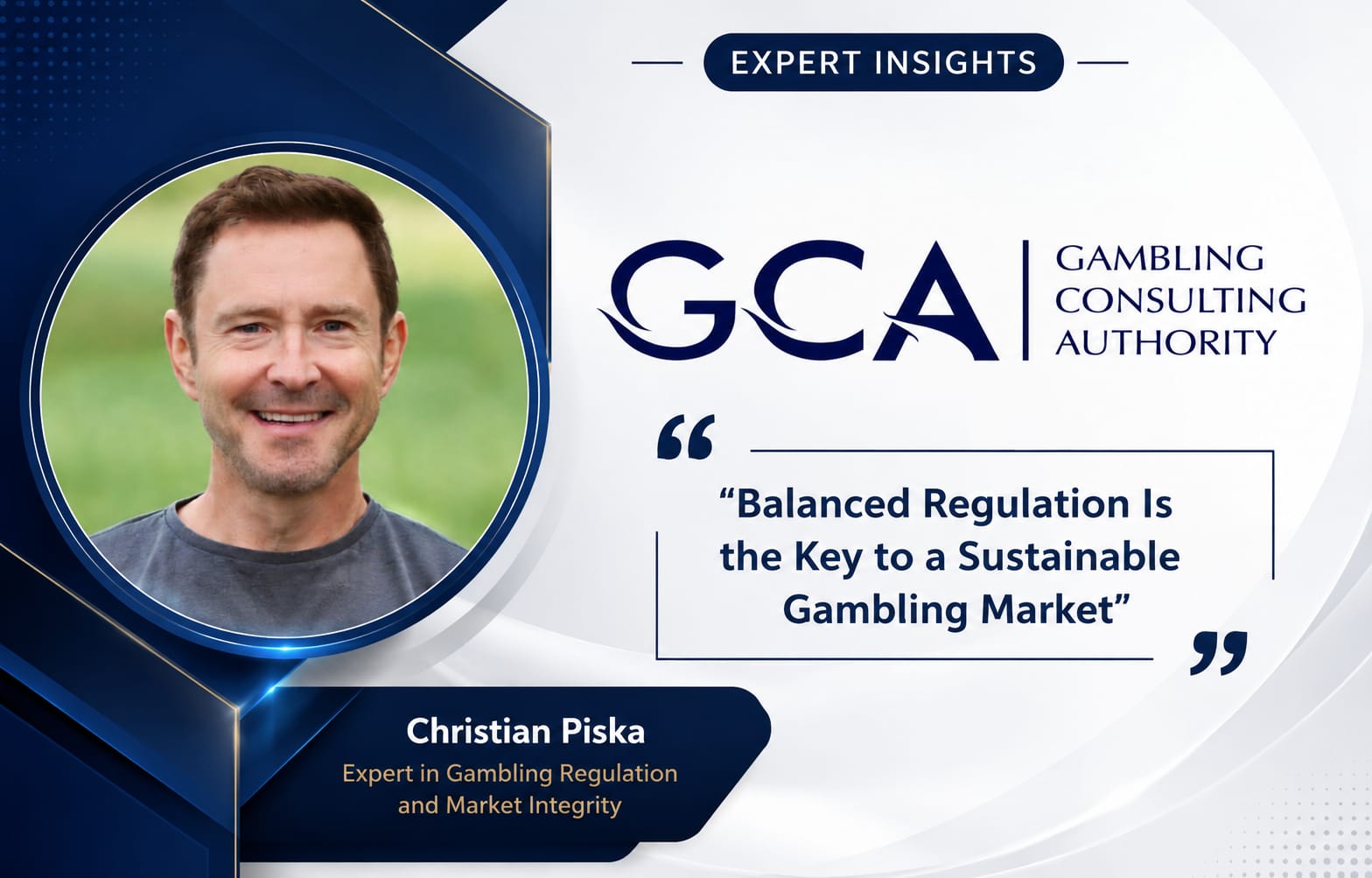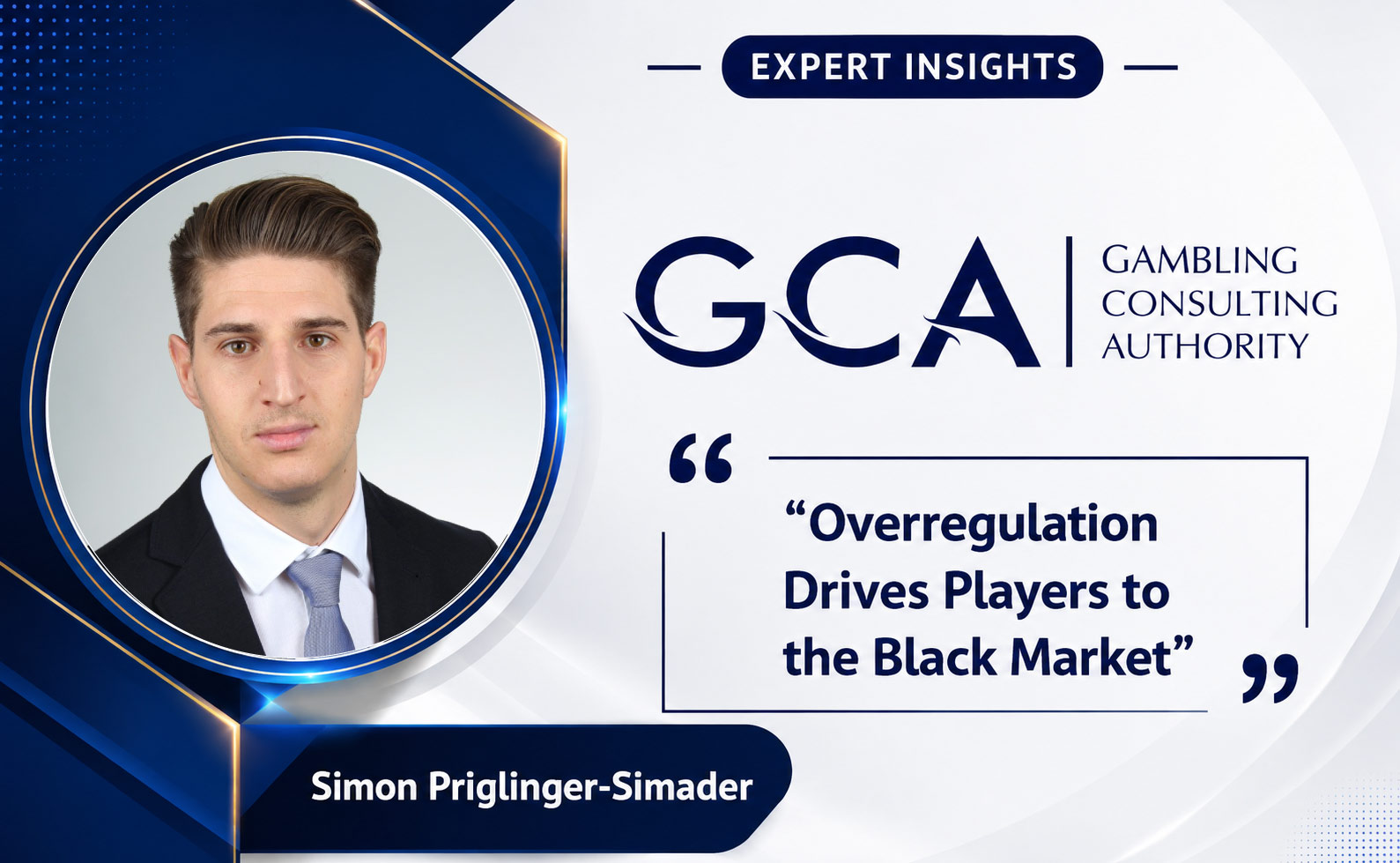
Q: What is the biggest regulatory mistake Germany made that Georgia should avoid?
I believe the biggest mistake was linking regulatory decisions too closely to political processes. In Germany, whenever the regulator wants to introduce significant changes, approval is often required from the 16 federal states. This means that even necessary improvements can be delayed or blocked if a sufficient majority cannot be reached.
Regulatory decisions should be based on facts, market realities, and player behavior rather than political considerations. This connection between politics and regulation often slows progress and makes it difficult to improve the legal market.
The second major issue is the level of restrictions imposed on licensed operators. While some restrictions are necessary to protect players, excessive limitations can have the opposite effect. If licensed products become unattractive, players may simply look for alternatives elsewhere.
The key lesson is to find the right balance: protect players without making the regulated market so restrictive that consumers leave it.
Q: Due to strict rules in Germany, many players moved to the black market. How are you fighting this problem?
There are two main approaches.
First, we need to convince policymakers and regulators that some restrictions on the licensed market should be eased. Illegal operators do not pay taxes, do not comply with regulations, and therefore have a competitive advantage. If the legal market becomes too restrictive, the black market will continue to attract players.
Second, there must be stronger enforcement against illegal operators. Licensed companies can contribute by monitoring the market and sharing information, but ultimately the responsibility lies with regulators and authorities.
Fighting the black market should not be viewed solely as an industry challenge. Regulators must ensure that companies following the rules are not disadvantaged by those operating illegally.
Q: How does your association balance relations with the government? Does the state actually listen to you when making decisions?
In some cases, yes; in others, no.
There are politicians and government representatives who understand the challenges facing the regulated gambling market. They are willing to listen, engage in discussions, and sometimes support our proposals.
At the same time, there are political groups that have a fundamentally negative view of gambling, making constructive dialogue more difficult.
As industry associations, our role is to remain fact-based. We do not seek confrontation or sensationalism. Instead, we focus on presenting evidence, identifying challenges, and proposing practical solutions that could improve the market.
Maintaining an open and professional relationship with policymakers is essential.
Q: In your opinion, will AI and crypto genuinely change the gambling industry, or are they just temporary trends?
Artificial intelligence is already having a significant impact on the industry. Companies are exploring ways to use AI to improve their products, optimize internal processes, and enhance customer experiences.
From a responsible gambling perspective, AI also offers important opportunities. Predictive systems can help identify risky behavior patterns and support player protection initiatives.
As for cryptocurrency, I believe the change is already happening. Younger generations are increasingly familiar with digital assets and understand how to use them. Many offshore operators actively promote crypto payments, and this trend continues to grow.
In Germany, licensed operators are generally unable to offer crypto payment solutions due to anti-money laundering (AML) regulations. If this situation remains unchanged while unlicensed operators continue to embrace crypto, it could further strengthen the black market.
Q: What would be your main advice for the Georgian Gambling Association (GGA) to make the market safer and more mature?
The most important objective is ensuring that players remain within the regulated market. Effective player protection can only work when consumers choose licensed operators.
Achieving this requires balance. Regulators should avoid becoming either overly restrictive or completely hands-off. A sustainable framework must protect consumers while keeping the legal market attractive and competitive.
Artificial intelligence can also become an important tool for responsible gambling. Advanced monitoring systems can help identify risky behavior and support preventive measures before problems escalate.
As for market maturity, that takes time. Regulators and industry stakeholders need to observe market developments, understand emerging challenges, and continuously evaluate whether adjustments are necessary.
There is no shortcut to a mature gambling market. It is a process that requires patience, observation, and evidence-based decision-making.

Welcome to Gambling Consulting Authority (GCA) - Your Strategic Partner in Gambling Industry Advancement