Portugal’s gambling regulator has detailed 11 years of enforcement against unauthorised online services while warning consumers about financial, privacy and fraud risks.
Key Points
SRIJ issued 1,834 closure notices during the first 11 years of regulation
A total of 77 cases were referred to the Public Prosecutor’s Office
The regulator warned that illegal platforms can expose consumers to fraud and data risks
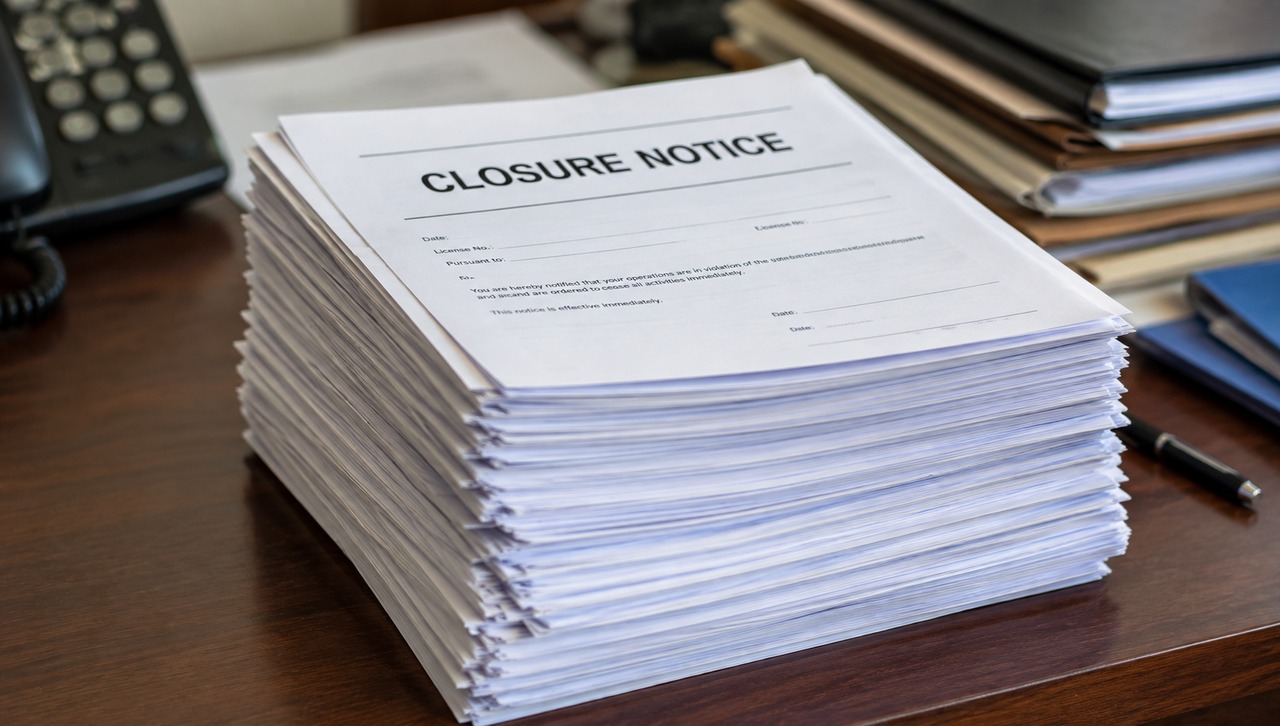
Portugal’s Gaming Regulation and Inspection Service (SRIJ) issued 1,834 closure notices concerning illegal online gambling operations during the first 11 years of the country’s regulated digital market.
The cumulative figure was disclosed in the regulator’s latest report and covers enforcement activity since Portugal introduced its online gambling licensing framework in 2015. The report also recorded 77 notifications to the Public Prosecutor’s Office over the period.
Closure notices form part of the SRIJ’s response to websites offering gambling to Portuguese consumers without the required national authorisation. Suspected cases can also be referred for prosecution, while internet service providers may be instructed to block access to unauthorised domains.
The total relates to notices issued rather than necessarily representing 1,834 separate businesses.
The SRIJ used the report to repeat its warning about the consumer risks associated with unlicensed gambling. It said users of illegal websites could lose money, expose personal information, become victims of fraud or unknowingly support criminal organisations.
Portugal’s regulated online market continues to expand alongside the enforcement activity. Q2 2026 GGR increased 14.4% to approximately €328.3m ($382m), following 13.7% growth to €323.7m during Q1. Online casino products generated most of the first-quarter revenue, while the number of self-excluded accounts rose 23.1% to more than 380,000.
Consumer and political scrutiny is also increasing. DECO PROteste received 87 online gambling complaints during H1 2026, with 55% concerning withdrawals and approximately 28% involving potentially unlicensed platforms.
Additionally, the Government is preparing updated legislation, while opposition proposals include payment restrictions targeting illegal operators, a public register of unauthorised services and stronger self-exclusion rules.
#Portugal #GamingRegulation #IllegalGambling #Compliance #PlayerProtection #ConsumerProtection #OnlineGambling #ResponsibleGambling #GamingIndustry

Welcome to Gambling Consulting Authority (GCA) - Your Strategic Partner in Gambling Industry Advancement