Thailand’s long-running debate over legalising casino gambling may return in early 2026, following the dissolution of parliament and the prospect of a new government after the upcoming elections.
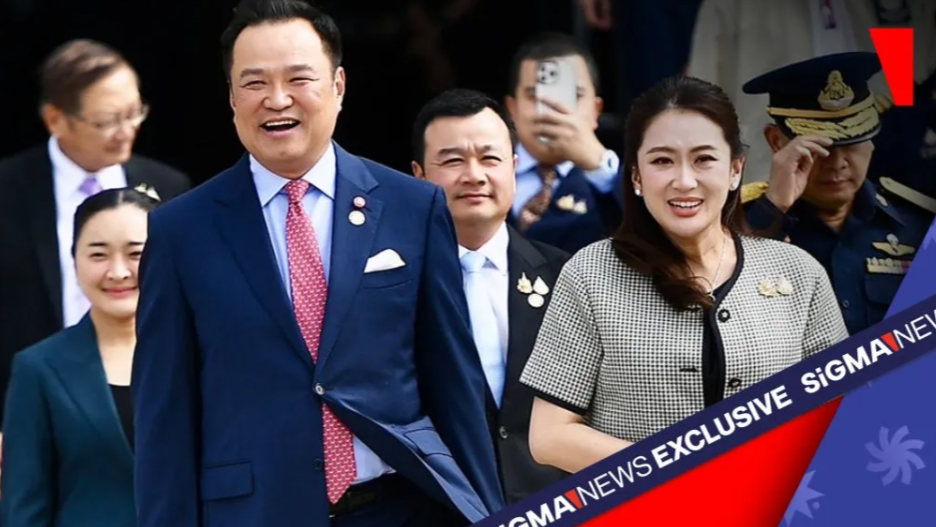
On 12 December 2025, Thailand’s Prime Minister Anutin Charnvirakul (left in the featured image) confirmed the dissolution of parliament, triggering a general election expected within 45 to 60 days. Until a new administration is formed, a caretaker government will remain in place with limited powers, preventing major policy decisions, including changes to gambling laws. For the unaware, casino legalisation has become a dividing line in the election, with primary parties taking clearly different positions.
The dissolution follows months of political instability. Pheu Thai, one of Thailand’s main political parties and the major supporter of regulated entertainment complexes, has faced leadership upheaval after the disqualification of two prime ministers by the Constitutional Court.
Former prime minister Paetongtarn Shinawatra (right in the featured image) resigned as party leader in October 2025, allowing Pheu Thai to reorganise its leadership. Julapun Amornvivat has since been appointed party leader, with veteran politician Prasert Chantharuangthong returning as secretary-general.
Analysts say the election could reset Thailand’s policy agenda, including stalled economic reforms. If a pro-reform coalition returns to power, discussions around regulated casino development may be revived, though no party has formally committed to doing so.
The year 2025 marked Thailand’s most serious attempt to legalise casino gambling. In January 2025, the cabinet approved a draft Entertainment Complex Bill that would have allowed casinos to operate within significant, regulated resort developments.
The proposal aimed to boost tourism, attract foreign investment and create jobs, while keeping gambling tightly controlled. Safeguards included high entry fees and financial requirements for Thai nationals, reflecting concerns over social impact. International casino operators reportedly expressed interest, while policymakers also explored regulating online gambling to curb illegal betting. Alongside this, Thailand advanced a Game Industry Promotion Act to address gambling-like mechanics in digital games and social apps.
However, political momentum faded later in the year. A change in leadership brought a more conservative approach, and the Thai Senate rejected the bill, recommending that any future casino legalisation should be decided by public referendum. Concerns cited by lawmakers included gambling addiction, money laundering risks and broader social consequences. Religious groups and civil society organisations also opposed the plan, while public opinion surveys suggested widespread scepticism.
Officials acknowledged that casino discussions coincided with a decline in Chinese tourist arrivals. China remains Thailand’s largest source of visitors, and policymakers were cautious about any policy that could affect diplomatic or economic relations.
At the same time, economic pressures continued to build. Regional competition for tourism spending has intensified, and neighbouring countries with casino resorts have attracted high-value visitors. Furthermore, the ongoing military clash with Cambodia is likely to have serious economic consequences for the country.
With elections approaching, Thailand’s casino debate is paused. However, groundwork laid in 2025, including regulatory studies, draft legislation, and public consultation, remains available to any future government.
If economic challenges persist and political leadership shifts, authorities may revisit the entertainment complex model, potentially with revised safeguards, stronger public oversight and clearer limits.
For now, casino legalisation remains off the table. But following a year of intense debate and a political reset, early 2026 may offer the next opportunity for Thailand to reconsider whether regulated gaming has a place in its economic strategy.
#Thailand #CasinoRegulation #GamingIndustry #PublicPolicy #AsianMarkets

Welcome to Gambling Consulting Authority (GCA) - Your Strategic Partner in Gambling Industry Advancement